Explore How AHS is Transforming
Education Worldwide
Discover stories, insights, and innovations that are shaping the future of education. Join us on our mission to make quality learning accessible for all.
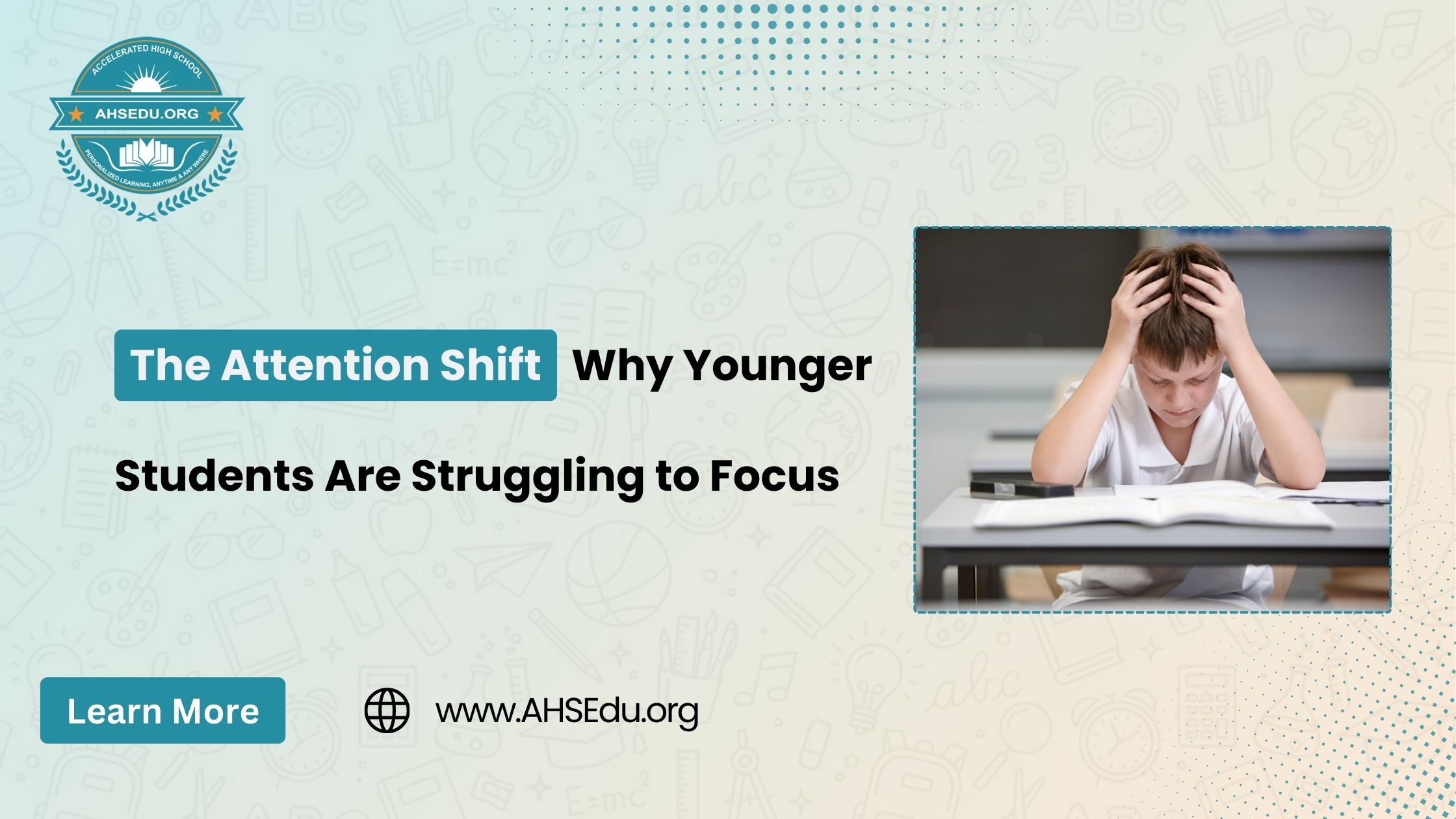
In classrooms and homes around the world, parents and teachers are noticing the same concerning trend: young children are finding it harder to focus than ever before. This isnât anecdotal. Several global reports across 2024â2025, including studies from the OECDâ¦
Subscribe To Our Newsletter
Stay updated with the latest news, exclusive insights, and special offers delivered straight to your inbox. Join our community to never miss a beat!
In classrooms and homes around the world, parents and teachers are noticing the same concerning trend: young children are finding it harder to focus than ever before. This isnât anecdotal. Several global reports across 2024â2025, including studies from the OECD and UNESCO, point to shrinking attention spans in early elementary students and a rise in teacher-reported concentration issues. As students in Grades 1â5 fall into the age group most affected by overstimulation, disrupted routines, and reduced reading stamina, the consequences are beginning to show in core reading and math skills. Understanding why attention is declining, and how structured digital tools
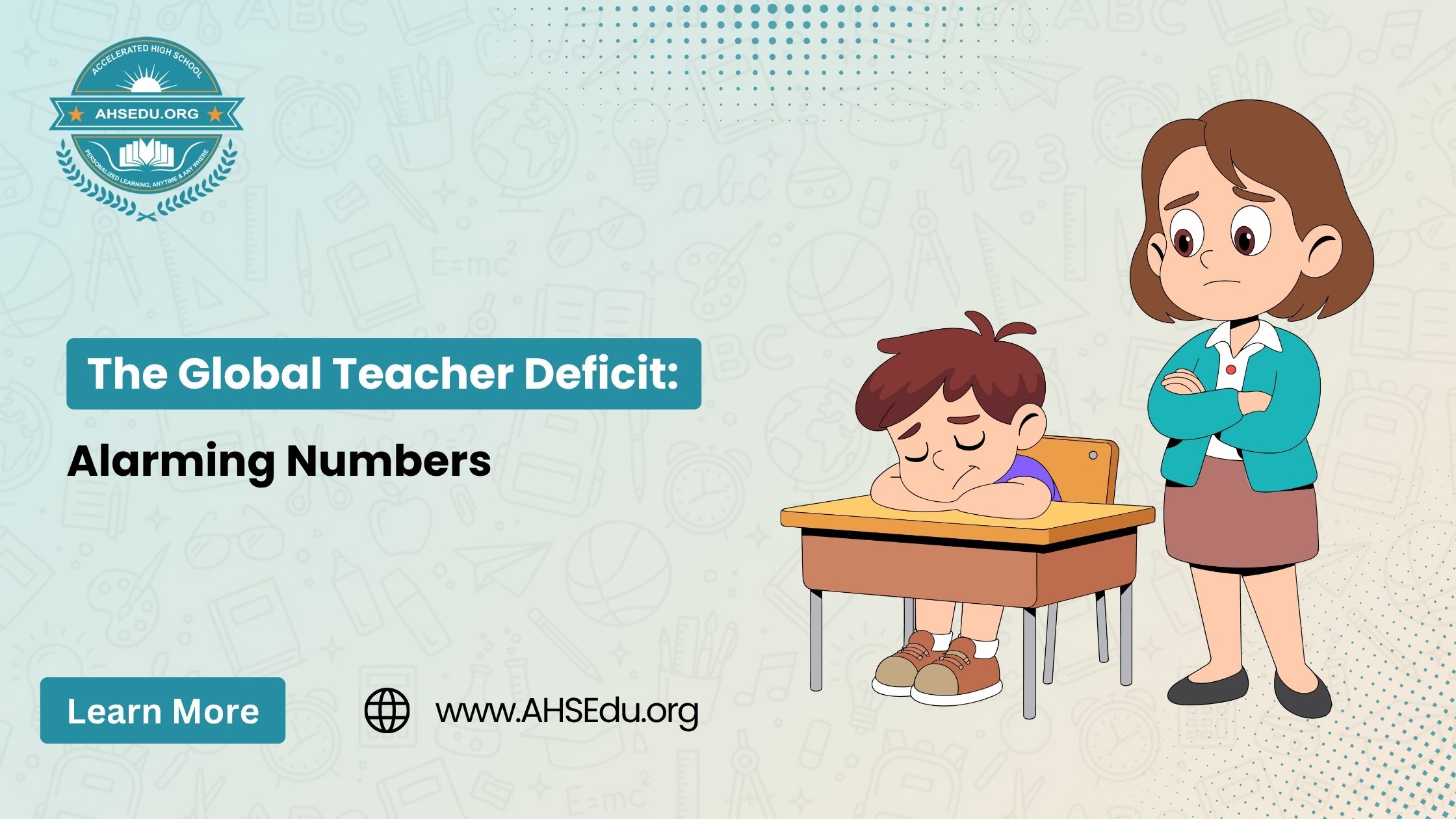
The world faces an education workforce crisis that directly impacts young learners. According to UNESCO, countries will need to recruit 44 million teachers (primary and secondary) by 2030 to meet demand and replace staff who leave the profession. In sub-Saharan Africa alone, millions more are needed to reach minimum staffing levels. This shortage matters most for early grades, Grades 1â5, because this is where children develop the foundational skills of reading, writing and arithmetic. If the teacher is absent, under-qualified, or over-burdened, students may lose vital instructional time, which is harder to recover later. Why Early Grades Are Especially Vulnerable
AHS Wins Hearts, Not Ads:  Why We Stay 100% Ad-Free? In todayâs digital world, every learning platform is competing for one thing â your childâs attention.                                                  Pop-ups, ads, and paywalls sneak into lessons, interrupting focus and pulling young minds away from what truly matters: learning with clarity and calm.
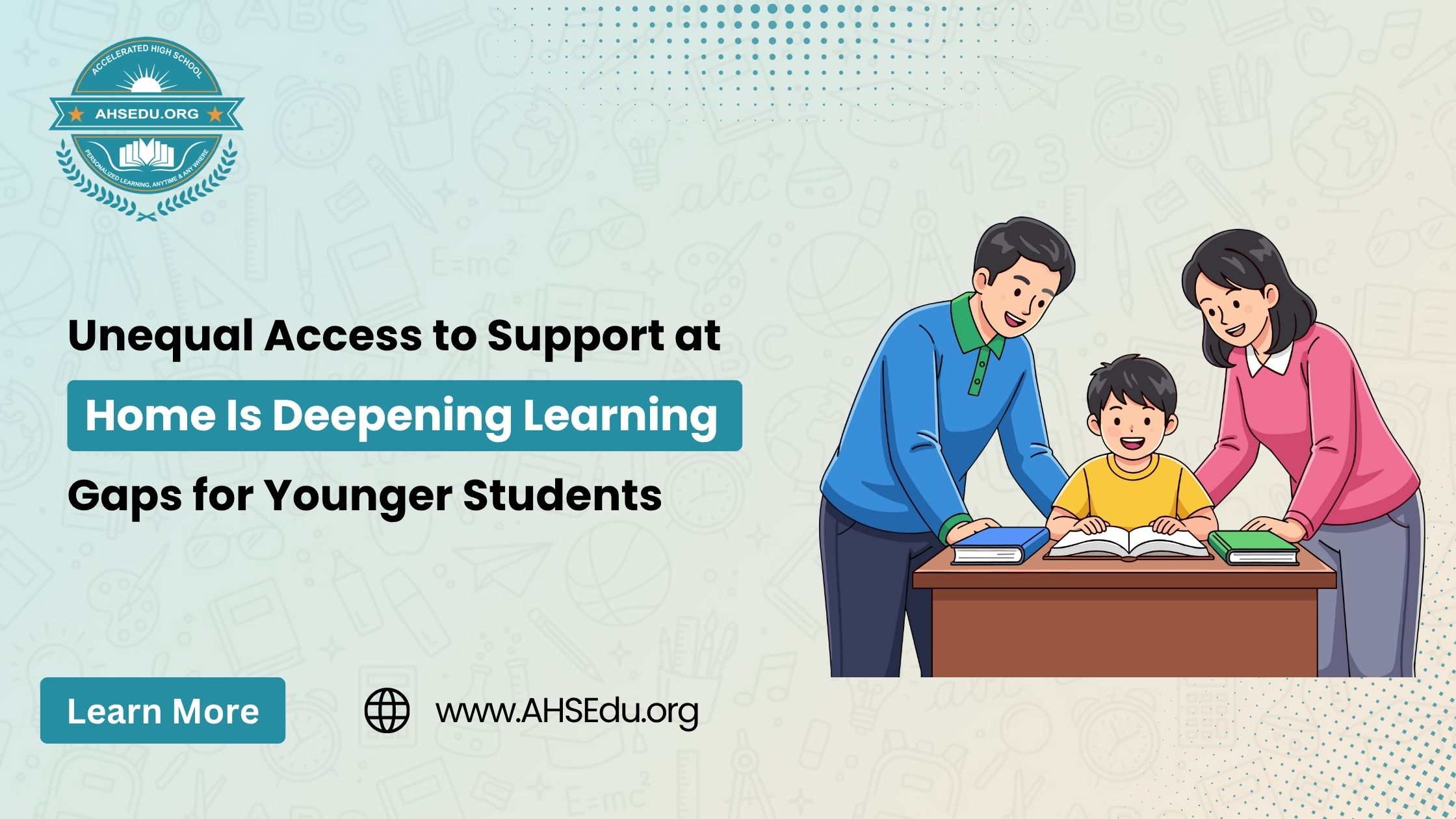
When we talk about learning gaps among younger students, we often focus on attendance, curriculum, teacher quality and classroom resources. But there is a critical, and often overlooked, factor: what happens at home. From a quiet place to study, to a reliable computer or internet connection, to a parent or caregiver who can assist when needed, the home environment plays a crucial role in whether students actually reinforce and extend their school learning. Research from the U.S. shows that about 17% of teens say they are often or sometimes unable to complete homework assignments because they donât have reliable home
The journey of learning is cumulative, and it begins with the basics. Foundational learning begins in early childhood and continues through the primary grades, laying the groundwork for lifelong success. These early years (roughly ages 6â11, Grades 1â5) are a critical window when childrenâs brains are rapidly developing the cognitive and social-emotional skills that underpin all future learning. If a child does not grasp fundamental literacy and numeracy in these years, the rest of their education becomes a steep uphill climb. By around age 10, students should be transitioning from “learning to readâ to “reading to learnâ, using their reading
Digital connectivity has become essential for learning in the 21st century, yet 2.6 billion people (32% of the global population) still lack internet access, with a disproportionate number of the unconnected living in rural areas. Many of these offline individuals are children and youth. In fact, roughly two-thirds of school-age children worldwide (around 1.3 billion) do not have internet access at home. This connectivity gap severely limits early learnersâ educational opportunities. Being digitally connected is now necessary to participate in society and access crucial services like remote education, digital libraries, and online learning tools. When young students cannot get online,
2025-12-15 @ 09:00 AM – 2025-12-15
Online Event Conference
About Us
AHSEdu.org is an innovative online educational platform designed to deliver a USA State Standardized Curriculum for students in grades 1 through 6. The platform provides personalized learning experiences through engaging interactive videos, comprehensive assessments, and take-home worksheets. It aims to nurture young minds by addressing individual educational needs while fostering academic growth. With a focus on accessibility and quality education, AHSEdu.org is dedicated to empowering students and enhancing their learning journey.