
Parents today face a unique challenge:
They want their children to grow, succeed, and feel confident — without feeling pressured, controlled, or constantly judged.
And this becomes even harder when parents try to track strengths, school performance, or learning progress.
One small question can turn into stress:
Suddenly, simple guidance feels like strict parenting.
But there’s a better way.
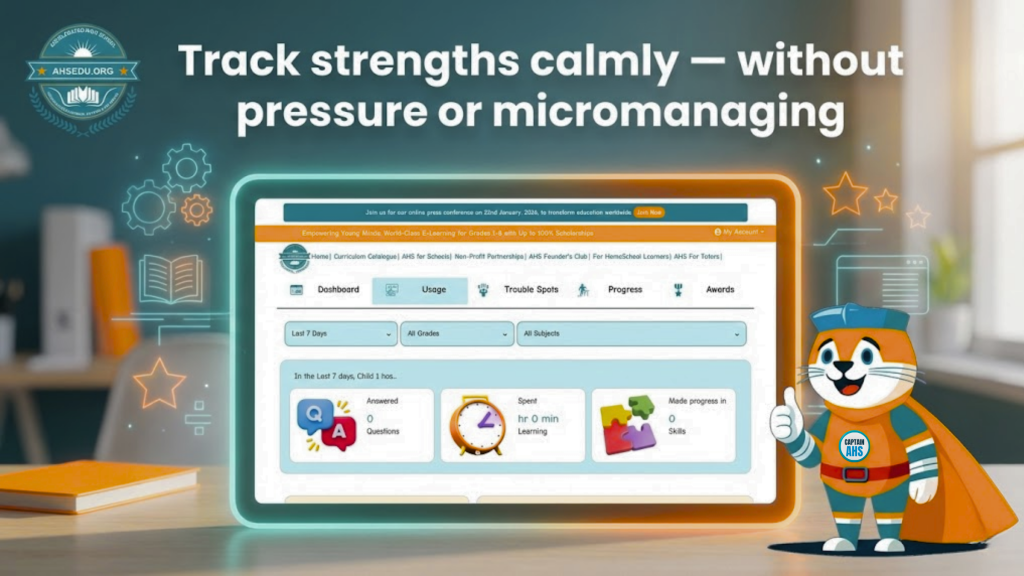
Modern EdTech tools — including AHS-style personalized dashboards — now allow parents to understand their children’s learning strengths calmly, gently, and without micromanaging.
This blog will show how parents can support growth while protecting emotional well-being, independence, and creativity.
Why Tracking Strengths Matters — And Why Many Parents Get It Wrong
Every child has a natural learning pattern and unique talent:
Understanding these strengths early leads to:
But the approach matters more than anything.
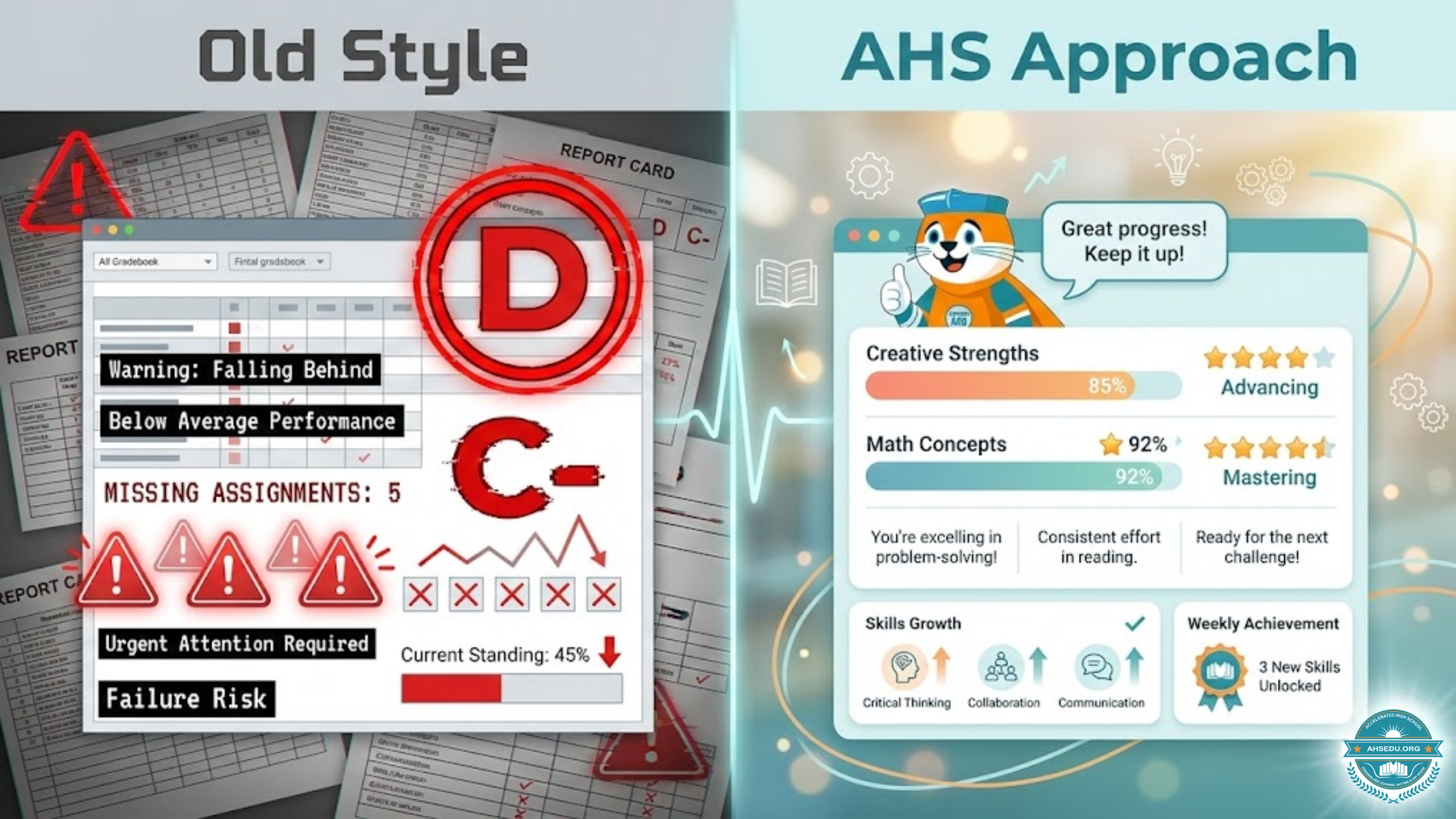
❌ Old-style strength tracking often becomes:
✔️ The AHS philosophy promotes:
10 Gentle, Effective Ways to Track Your Child’s Strengths (Without Being Overbearing)
1. Replace Control With Curiosity
Instead of asking:
“Why did you score low?”
Try:
“What part of this topic did you enjoy the most?”
A curious parent becomes a supportive partner. Children share more when they don’t feel judged.
Curiosity builds trust.
2. Use a Neutral Tool — Not Emotional Reactions
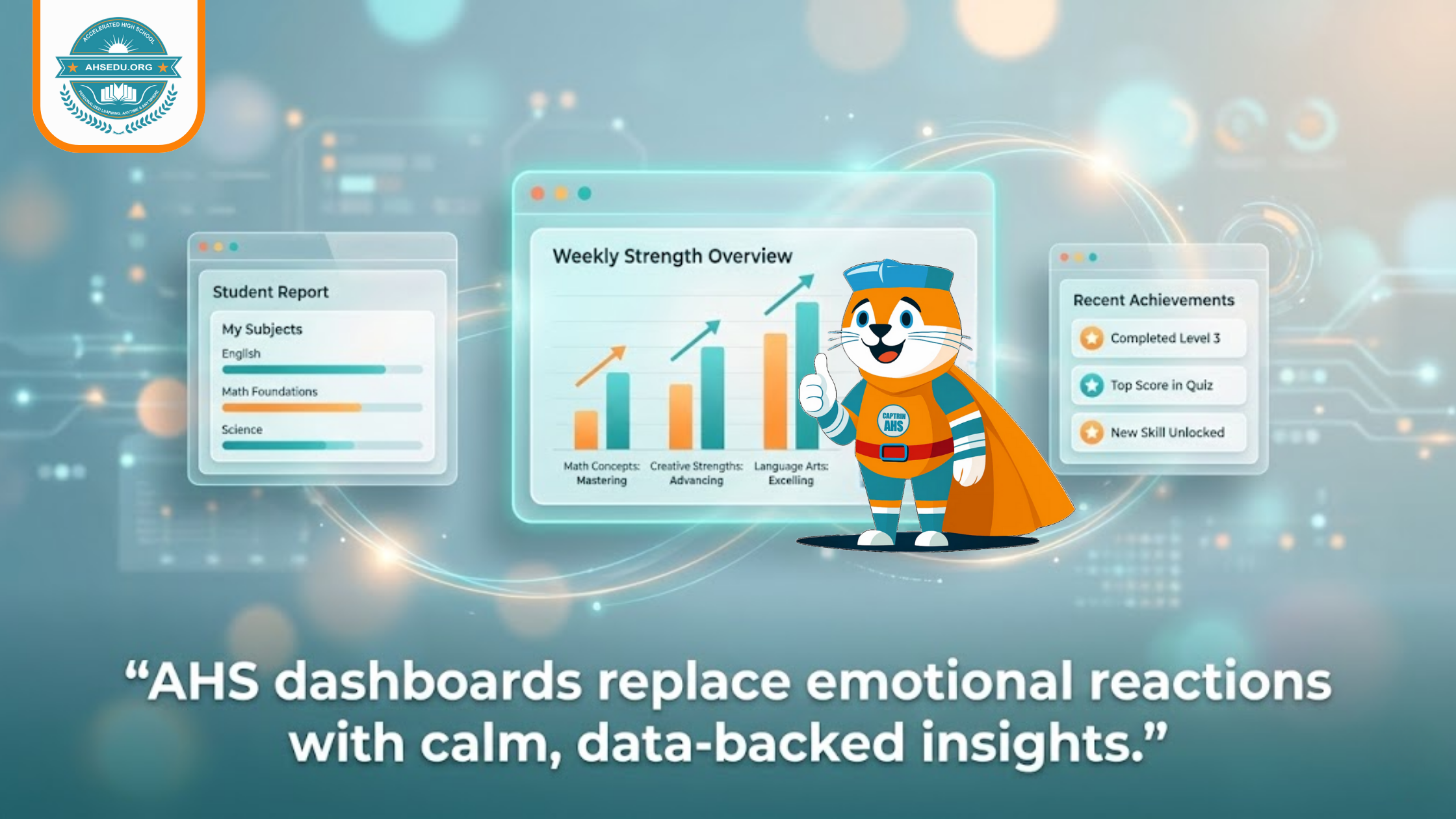
AHS-style personalized dashboards show learning progress in a friendly, visual, and non-judgmental way.
They display:
This removes emotional pressure and replaces it with data-driven clarity.
3. Celebrate Strengths First — Always
Children grow when they feel seen.
Examples of supportive phrases:
Recognition builds confidence and emotional security.
4. Track Habits — Not Just Marks
Strength is not only about grades.
It’s about:
AHS focuses on whole-child development, not just exam results.
5. Guide Children to Set Their OWN Goals
Instead of:
“You must get above 90%.”
Try:
“What is one small improvement you want to make this week?”
This encourages:
Self-set goals create lifelong learners.
6. Replace Commands With Collaboration
Instead of:
“Sit and study now.”
Try:
“Let’s explore your dashboard and see where you want to start.”
Collaboration makes children feel:
Children don’t grow under fear — they grow with partnership.
7. Understand the Child’s Learning Style
Every learner is different:
AHS insights help parents discover how their child learns best.
This prevents incorrect assumptions like:
“My child hates reading.”
→ Maybe they’re just a visual learner.
8. Create a ‘No Judgment’ Zone at Home
A simple rule:
“We look at progress to understand, not to criticize.”
This transforms learning into something safe, not stressful.
9. Allow Play, Breaks, and Creativity
Strengths appear most clearly during:
AHS supports balanced learning where creativity and academics go hand-in-hand.
10. Focus on Growth — Not Perfection
Perfection is stressful.
Growth is empowering.
Try phrases like:
This mindset builds resilient, confident children.
A Final Message for Parents — From the Heart
You can support your child’s learning without becoming strict or overwhelming.
All it takes is a shift in approach:
Your child doesn’t need a strict coach.
They need a gentle guide, a steady supporter, and a safe place to grow.
AHS is designed around this philosophy — empowering children with data-driven clarity and emotional safety, helping families grow together through understanding, not pressure.
Support Your Child Calmly With AHS: https://ahsedu.org/dashboard