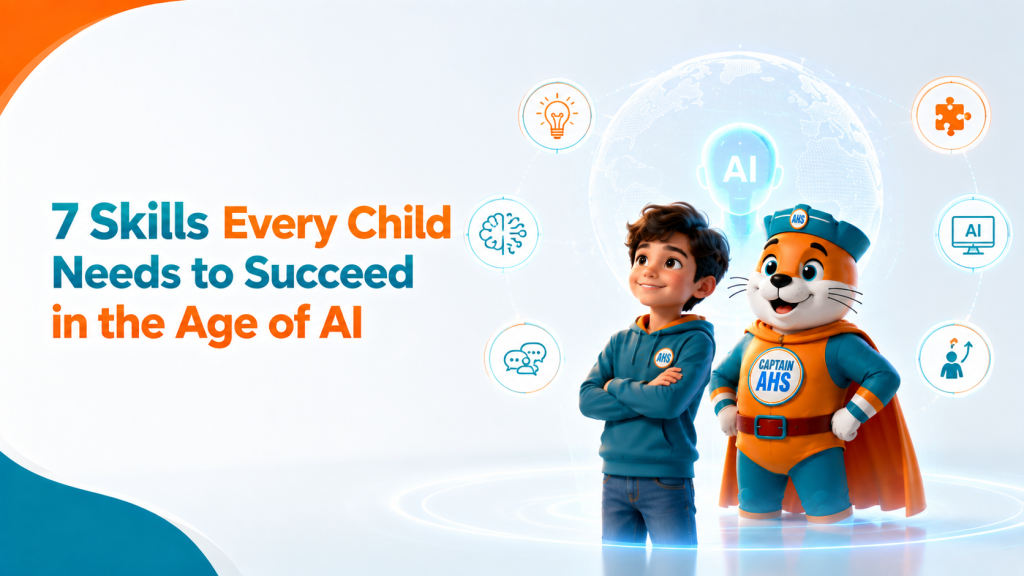
7 Skills Every Child Needs to Succeed in the Age of AI
Children can learn to navigate the challenges of the AI era by developing the following skills:
Artificial intelligence is transforming the way people learn, work, communicate and solve problems. In an era where AI is increasingly a part of daily life, children must be equipped with more than just textbooks to tackle the future. They must be able to think for themselves, adjust to change, effectively communicate with others, and responsibly use technology.
Children can master these 7 key skills in the era of AI.
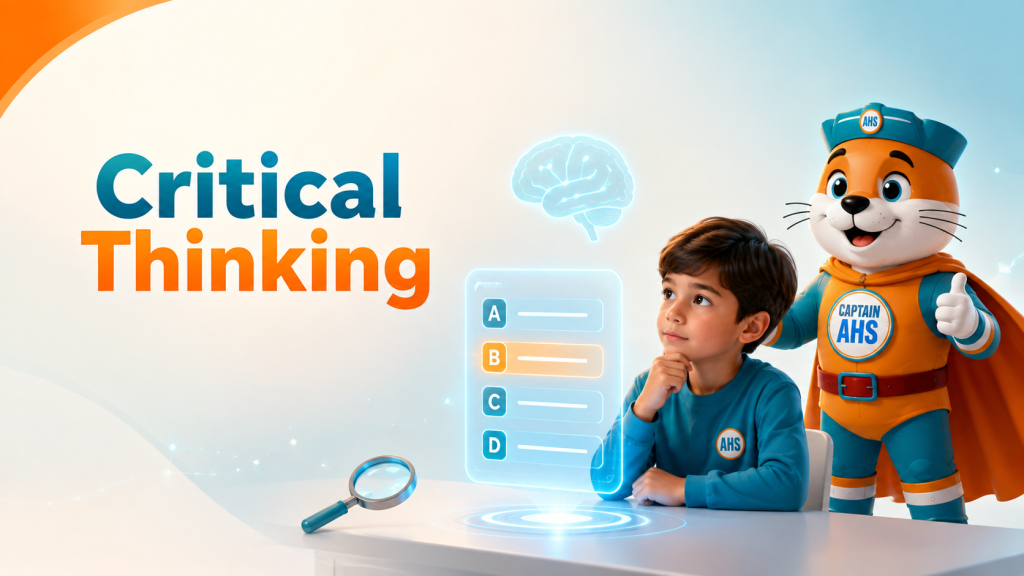
1) Critical Thinking
AI can give the answers in a flash; however, children must be taught to recognize when the answers are incorrect or unhelpful. Critical thinking enables students to question information, compare ideas, detect errors, and make decisions rather than taking information for granted from the internet.
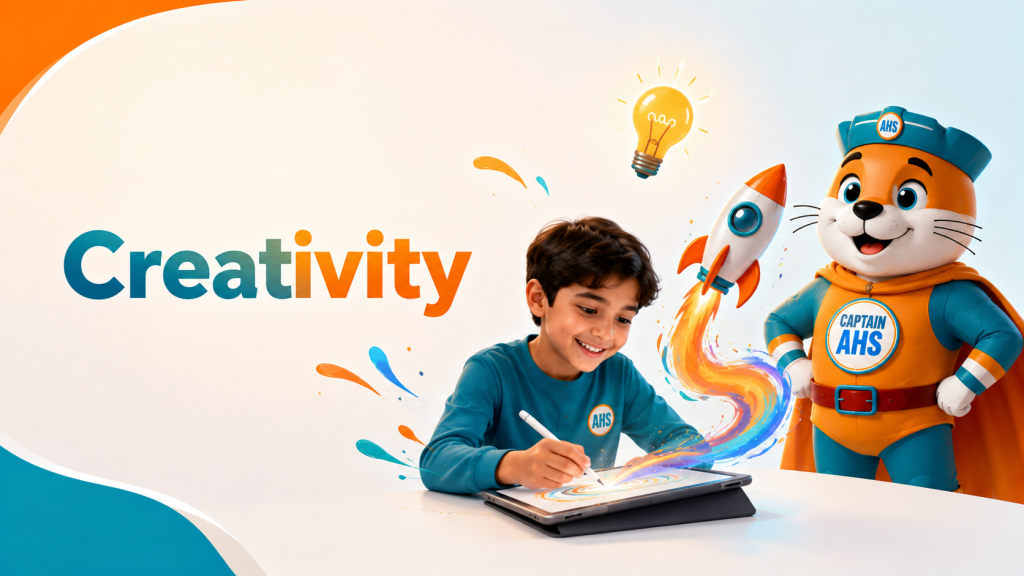
2) Creativity
Creativity makes children think of their own ideas and come up with alternative solutions to problems. AI can assist with creating content, but most of all it needs human imagination to come up with new ideas, stories, designs, and solutions. Children can improve their creativity by engaging in artistic, writing, experimental, and project-based activities.
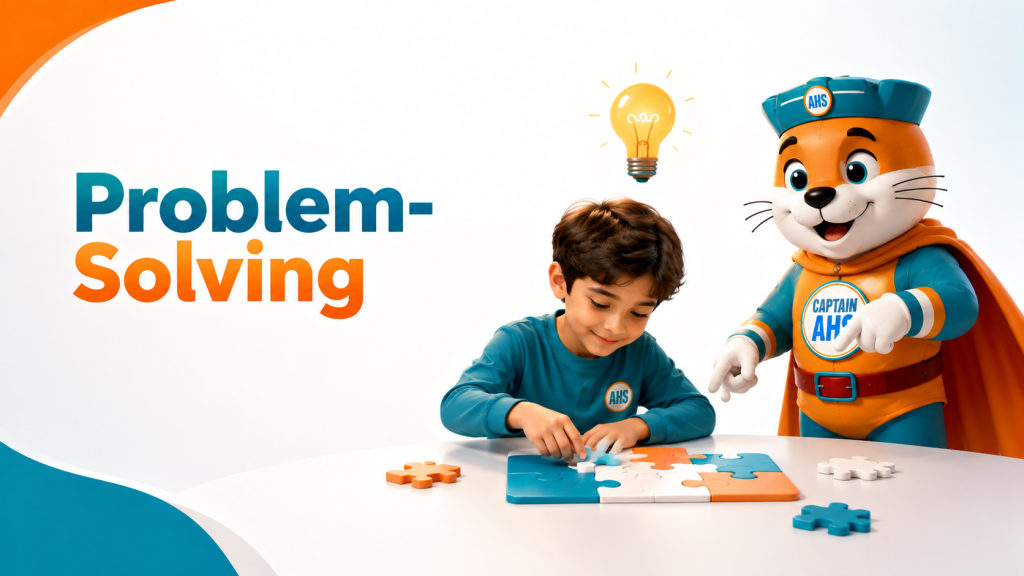
3) Problem-Solving
New problems will arise in the future that may not have easy resolutions. Problem-solving skills help children understand a problem, brainstorm solutions, experiment, and reflect on their errors. These skills are useful in school and the real world, and are useful for future work and career.
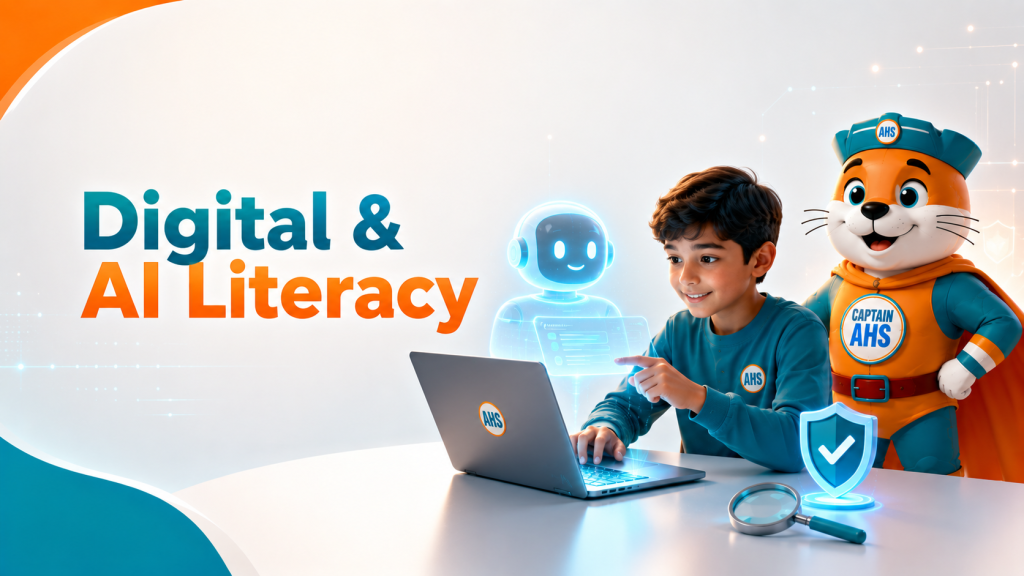
4) Digital & AI Literacy
Kids should learn about digital tools and AI, their function, and the way to utilize them properly. AI literacy involves understanding the capabilities and limitations of AI, identifying unreliable information, safeguarding personal data, and using AI as a learning tool instead of relying solely on it.
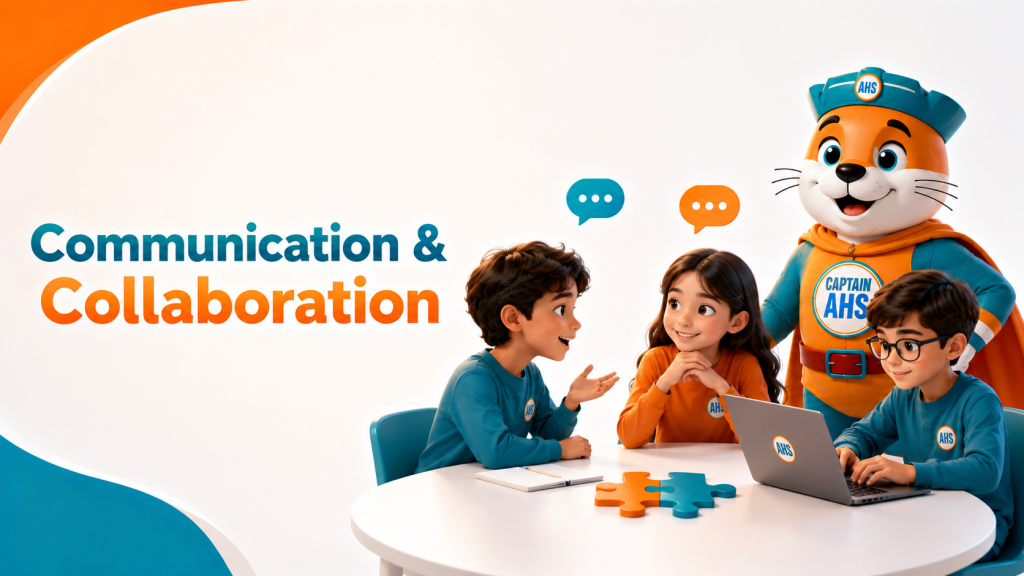
5) Communication Skills
Technology will not take the place of human communication. Children who are able to articulate their thoughts clearly, listen to others, ask relevant questions, and collaborate with others will find themselves at an advantage in a very connected world.
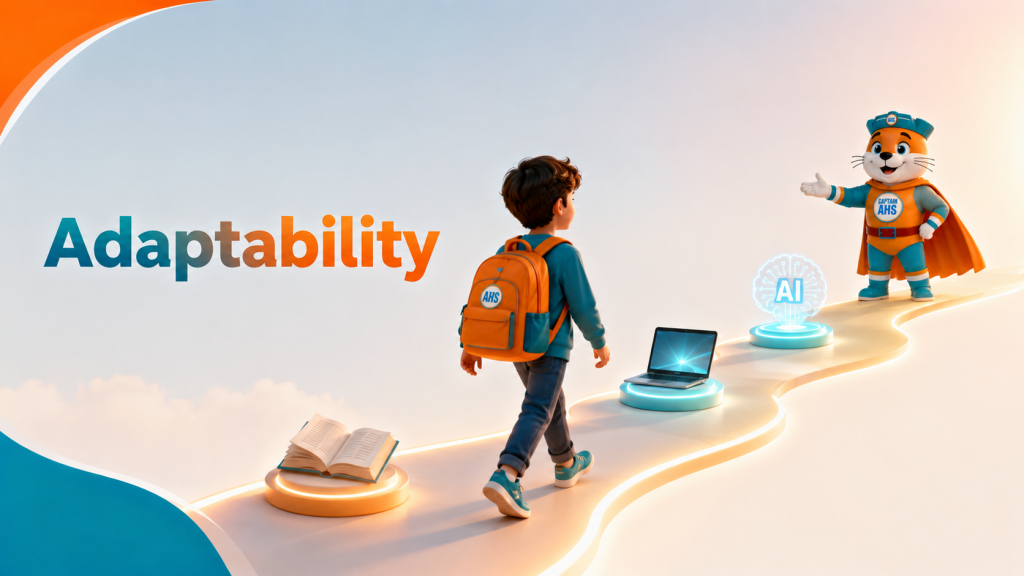
6) Adaptability
Technology is continually evolving and the skills required today may be different tomorrow. Children need to adjust to using new tools, topics, and circumstances. Students will feel more at ease when they embrace change and see challenges as learning opportunities through encouraging curiosity and a growth mindset.
7) Collaboration
Collaborating in teams will be vital for many future challenges. Children learn how to work in a cooperative manner and share ideas, respect other opinions, divide tasks, and solve issues as a group. These skills can be enhanced through group work, discussions, and interactive learning exercises.
Educating children for the future:
In the age of AI, children do not have to compete with AI. Rather, they must master working with technology and increase the uniquely human skills that AI cannot do.
At AHSEdu.org, we strive to make education “Without Boundaries,” encouraging students to build skills, confidence, creativity, and knowledge through interactive and engaging experiences.
Conclusion
While academic learning is still relevant, there is a need for more critical thinking, creativity, problem-solving, digital literacy, communication, adaptability, and collaboration in the future. These abilities will equip children to be confident learners and better equipped to face the future powered by AI.