The improvement in girls’ education worldwide is becoming one of our greatest global success stories. In the past 50 years, access to schooling for girls has expanded so dramatically that nearly all girls around the world now receive primary education, and the rate of girls’ secondary school enrollment has more than doubled. In fact, as of 2024, for the first time more girls were enrolled in school than boys worldwide. This historic milestone reflects decades of effort to break down barriers to education for girls.
Crucially, gender gaps in education are narrowing across all levels. According to UNESCO’s latest data, there are 50 million more girls in school today than in 2015. Completion rates for girls have risen as well – with 5 million more girls completing each level of schooling from primary through upper secondary than a decade ago. As a result, global female enrollment in primary and secondary school now stands nearly on par with male enrollment (about 90% for girls vs. 92% for boys). Two-thirds of countries have already achieved gender parity in primary school enrollment, and many are closing the gap at higher levels too. The World Economic Forum’s Gender Gap Report finds that the educational attainment gender gap is 95% closed worldwide – by far one of the most advanced areas of gender equality.
Rising Literacy and Learning Outcomes
These gains in access are translating into better learning outcomes for girls. Around the globe, young women’s literacy rates have climbed steadily, helping close the literacy gender divide. Overall adult literacy still shows a gap (about 82.7% for women vs. 90.0% for men), but that gap has shrunk over time and is poised to narrow further as educated girls become literate adults. Among today’s youth, literacy is much higher for both genders than it was in older generations, reflecting the massive expansion of schooling in recent decades. In many regions, girls now match or outperform boys in key skills – a remarkable turnaround from historical disparities. For example, at the secondary school level, female students on average excel in reading and perform on par with boys in mathematics. Some global assessments even found girls ahead of boys; in 2024 girls had higher proficiency rates in both reading and math among secondary students worldwide.
The implications of these improvements are profound. Better-educated girls are growing into empowered women who can read, problem-solve, and participate fully in society. Research consistently shows educating girls yields wide-ranging benefits – from healthier families to stronger economies. Each percentage point increase in female literacy and schooling has been linked to higher GDP growth and community well-being. The recent progress in girls’ education therefore not only advances gender equality, but also drives broader development gains. With literacy rising and gender gaps closing, the world is closer than ever to ensuring that being born a girl is not a barrier to learning.
Progress and Persisting Challenges
Despite this encouraging global picture, important challenges remain. An estimated 122 million girls are still out of school around the world as of mid-decade. Many of these girls live in regions beset by poverty, conflict, or cultural barriers to female education. In sub-Saharan Africa, for instance, girls are far less likely to complete school, and over half of all out-of-school children are in this region. Conflict and instability continue to jeopardize girls’ education: in countries affected by war or crisis, girls are 2.5 times more likely to be out of school than boys . A stark example is Afghanistan, where recent policies barring girls from secondary education have reversed years of progress – 60% of Afghan girls are now excluded from primary school under the current regime. These realities show that while the gender gap in education has narrowed globally, pockets of severe inequality persist.
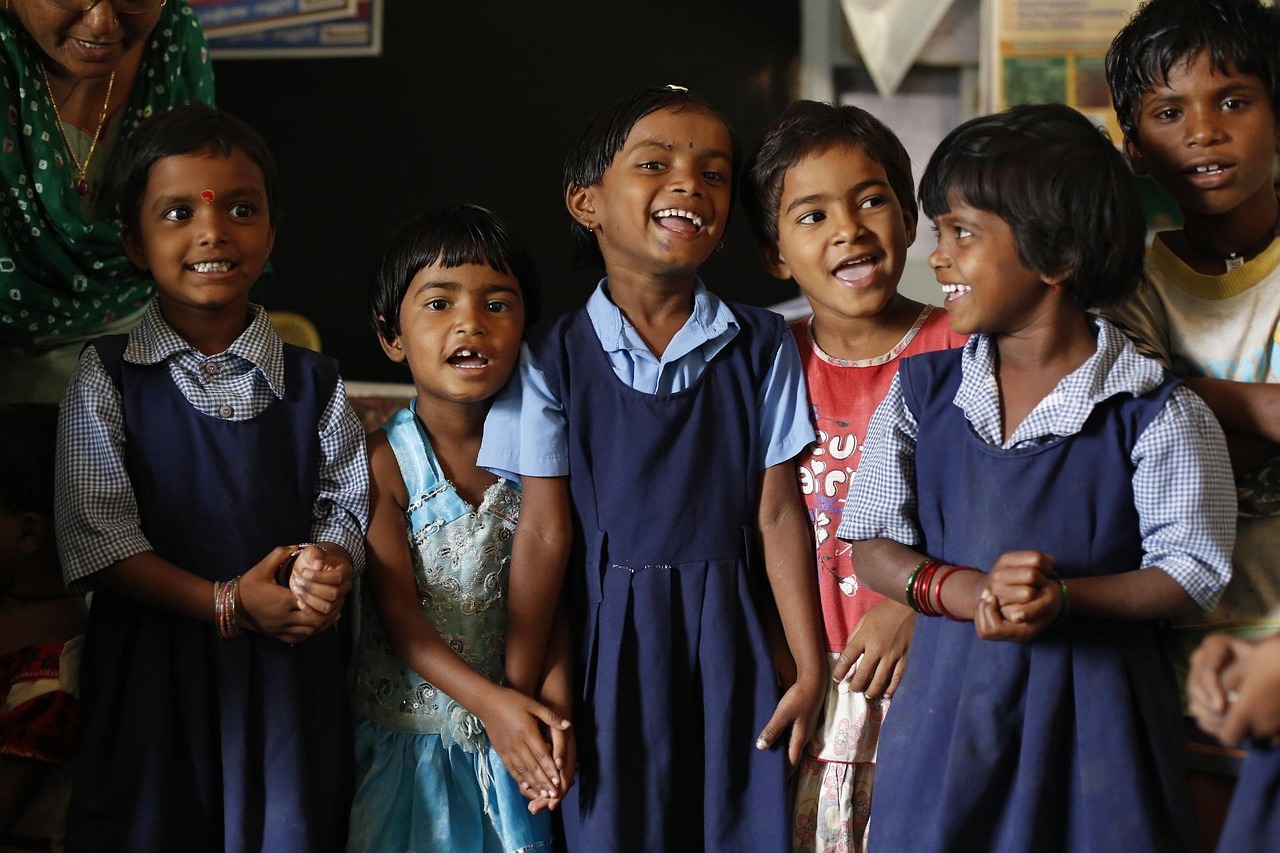
Moreover, even when girls are in school, they can face hurdles that boys may not. Issues like lack of safe transportation, inadequate sanitation facilities (especially important for girls managing menstruation), early marriage, and gender-based violence all disproportionately affect girls’ ability to learn. In some communities, girls shoulder heavy household responsibilities that cut into study time. Literacy and learning quality are still concerns as well – both girls and boys in many low-income countries suffer from learning poverty, struggling to achieve basic reading proficiency by age 10. On average, girls have slightly lower rates of learning poverty than boys, but the levels are high for both (around 50% in low- and middle-income countries).
The good news is that the world’s commitment to girls’ education remains strong. Global initiatives – from the United Nations’ Sustainable Development Goals to campaigns by organizations like UNICEF, UNESCO, and the World Bank – are targeting these remaining gaps. Governments and NGOs are investing in solutions: stipends and scholarships to keep girls in school, community advocacy to change harmful norms, building of safe schools and separate latrines, and laws to ban child marriage, to name a few. Thanks to such efforts, the trajectory is positive. More girls are in classrooms today than ever before, and the world is on the path toward true educational equality. The task now is to ensure no girl is left behind, even in the hardest-to-reach places.
Empowering Girls Through AHS Education’s Platform
While policymakers work on systemic solutions, families can also play a pivotal role in supporting their daughters’ learning. This is where innovative tools like AHS Education can make a difference. AHS Education is a nonprofit online learning platform designed to give every child – including girls in underserved communities – access to high-quality educational resources. The platform offers a rich library of 100% free curriculum-aligned content that makes learning both effective and fun. With lessons covering key subjects (aligned to U.S. state standards for grades 1–5), AHS provides interactive video lessons, cartoon-based explanations, and quick quizzes that keep students engaged. Girls who use AHS can strengthen their literacy and math skills through lively animated tutorials, practice with printable worksheets, and gauge their understanding via constructive assessments.
One of the standout features of AHS Education is its personalized learning experience. Each student gets a secure dashboard to track progress, earn achievement badges, and pinpoint areas that need improvement. For girls who might lack confidence or come from schools with limited resources, these tailored insights and positive feedback loops are invaluable. Parents can easily oversee their child’s learning journey through comprehensive reports and analytics. This means parents of girls can identify strengths to celebrate and subjects where extra support is needed, ensuring no one falls through the cracks. Importantly, AHS’s platform is ad-free and safety-focused, creating an encouraging online environment for young learners. By making education interactive and personalized, AHS helps keep girls motivated to learn at their own pace – even outside the classroom.
Another way AHS Education supports girls’ education equity is by removing financial and geographic barriers. The platform’s core resources are offered at no cost, and it even works in low-bandwidth settings or via downloadable content (including a no-internet solution). This opens the door for girls in remote or low-income areas to continue learning wherever they are, as long as they have access to a device. Such flexibility proved crucial during recent school disruptions (like pandemics or conflicts) when many girls risked falling behind. Education without barriers is a founding principle of AHS – the idea that every child, regardless of background, should have the opportunity to learn and thrive. By providing a quality supplementary education for free, AHS is helping level the playing field for girls who might otherwise be left behind due to circumstances beyond their control.
Your Role in Advancing Her Education
The continued progress in girls’ education worldwide will require collective action – not only from governments and organizations, but also from parents and communities. As a parent, you have the power to directly influence your daughter’s educational success. Enrolling your child in supportive learning programs at home can dramatically reinforce what she learns in school and boost her confidence. If you’re looking for an easy, effective way to do this, consider taking advantage of AHS Education’s free trial for parents. AHS is currently offering a 3-month free trial with full access to all features for home users. This means you can sign up your daughter at AHSEdu.org and immediately unlock a wealth of interactive lessons, stories, and practice exercises in math, reading, science, and more – at no cost. No credit card is required to get started, and the setup is simple: within minutes, your child can begin a personalized learning adventure from the safety of home.
By using AHS Education as a supplement to her schooling, you’ll be empowering your daughter to reach her fullest potential. She can revisit topics she finds challenging, get extra reading practice to boost her literacy, explore new STEM activities beyond her school curriculum, and progress at a pace that suits her. All the while, you can monitor her growth with peace of mind, thanks to AHS’s robust parental tools and progress reports. Whether your goal is to help her get ahead or ensure she doesn’t fall behind, AHS provides the support structure needed for holistic, girl-centered learning.
Sign up for your free 3-month trial at AHSEdu.org and explore all the features AHS Education offers to keep young learners engaged and excited. Together, let’s continue the momentum of global gains in girls’ education – one empowered girl at a time.
Join us in advancing her education – because when girls learn, everyone benefits.
